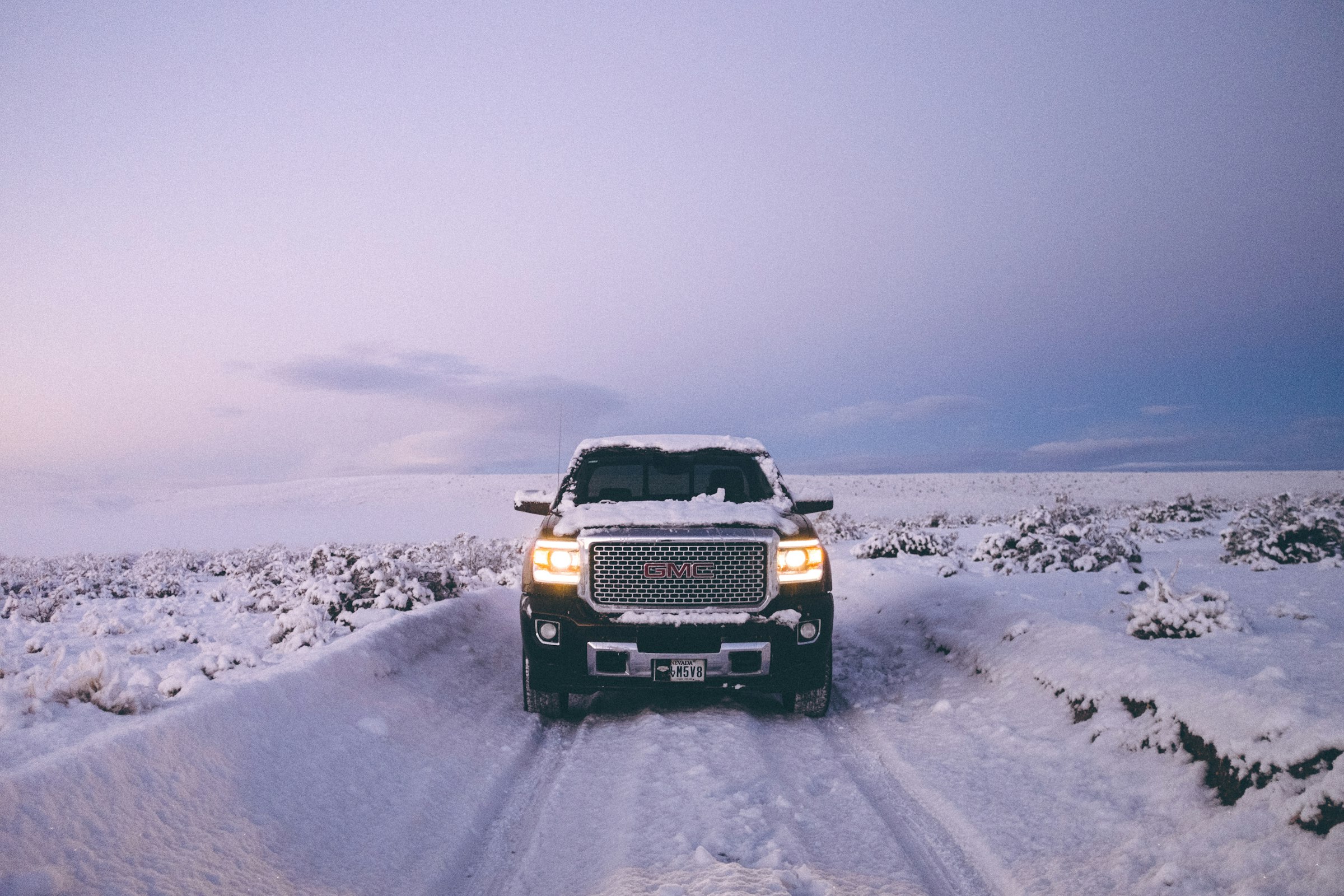
Five things to lock down before the first snow—and how to walk into next year with a fleet strategy instead of a scramble.
Last month we made the case for seasonal rentals: secure the right trucks before you need them, not after.
That still holds. But the truck is only half the job.
A winter-ready fleet isn’t a line of upfit-ready pickups sitting in the yard. It’s tires that got swapped on time. Maintenance that happened in October instead of in a ditch in January. Drivers who know who to call. And a budget for next year that’s built on what actually happened this year.
Here’s what that looks like in practice.
1. Count the Gap, Not the Trucks
Start with a number, not a feeling.
How many units did you run last winter at peak? How many sat idle in March? If you’re on telematics, that data already exists—utilization by vehicle, by week, by crew. Pull it.
The difference between what you have and what peak demand needs is your gap. That’s the number to fill with seasonal rentals.
Fill it now. Winter inventory doesn’t get easier to find in November.
2. Tires Are a Schedule, Not an Errand
One truck getting winter tires is an errand. Forty trucks is logistics.
Vendor appointments. Storage for the off-season set. Trucks pulled from routes at the wrong time because that was the only slot available. Multiply that by every location and it quietly eats a week of productivity.
The fleets that get this right treat the changeover like a project with a start date—and that date is before the first freeze, not after.
If coordinating it across vendors is the headache, that’s exactly what Integrated Maintenance is built for. One program, every vendor, one bill at the end of the month.
3. Do the Cold-Weather Maintenance While It’s Still Warm
Winter doesn’t cause breakdowns. It exposes the ones that were already coming.
Weak batteries. Block heaters nobody tested since spring. Fluids that aren’t rated for the cold. Wiper blades, brake wear, tire pressure dropping with the temperature. None of it is dramatic. All of it will cost you a truck on the worst possible day.
A pre-winter inspection across the fleet catches it in a shop. An unplanned repair in January catches it on a job site with a crew standing around.
Summit’s Integrated Maintenance program handles this the way it handles everything else: every repair order reviewed line by line, OEM-compliant service schedules by vehicle class, and a 24/7 maintenance call centre when something still goes sideways. Prepaid packages roll routine service into a fixed monthly cost so winter doesn’t show up as a surprise invoice.
4. Make Preparedness Boring
The best winter incident is the one that’s over in a phone call.
That means a few unglamorous things are already in place:
- The roadside number is in every cab. Not in an email. In the truck. Every Summit Fleet rental comes with on-call roadside assistance—make sure your drivers know it exists.
- Drivers have a cold-weather briefing. What to check before leaving, what to do if they’re stuck, who to call first.
- Telematics alerts are set. Excessive idling, low battery voltage, and harsh braking on ice all show up in your data before they show up as a problem.
- Spare capacity exists. One unit in reserve is cheaper than one crew idle.
None of this is complicated. It just has to be done before it’s needed.
5. Build Next Year’s Fleet in This Year’s Numbers
Q4 is budget season. It’s also the one time of year you have a full, fresh picture of what your fleet actually did.
Use it.
Which trucks were over-utilized? Which ones barely moved? What did unplanned maintenance really cost? Where did a rental cover a gap that a lease should have covered—or the other way around?
Those answers tell you what to rent, what to lease, and what to own in 2027. Bringing them into the budget conversation now means the fleet you walk into next spring is the one you planned, not the one you inherited.
Go Deeper With Us in November
We’re covering all of this live—seasonal tires, integrated maintenance, winter preparedness, and how to set up your 2027 fleet—in a Summit Fleet webinar on November 12. Watch your inbox for registration details.
In the meantime, the clock on seasonal inventory is running.
Get a quote on seasonal rentals, talk to our team, or see what’s winter-ready now.