In last month’s article, Digital Momentum: What Fleet Leaders Should Tackle First in 2026, we discussed how the conversation around digital transformation has shifted.
The question is no longer whether fleets should adopt connected systems.
The real question is how those systems are used to drive better decisions every day.
Telematics sits at the center of that shift. While many fleets initially adopt telematics for simple vehicle tracking, the real value comes from the operational insight it provides — insight that improves safety, maintenance planning, and fleet utilization.
As fleets scale and operations become more complex, telematics becomes less of a “technology add-on” and more of a core management system.
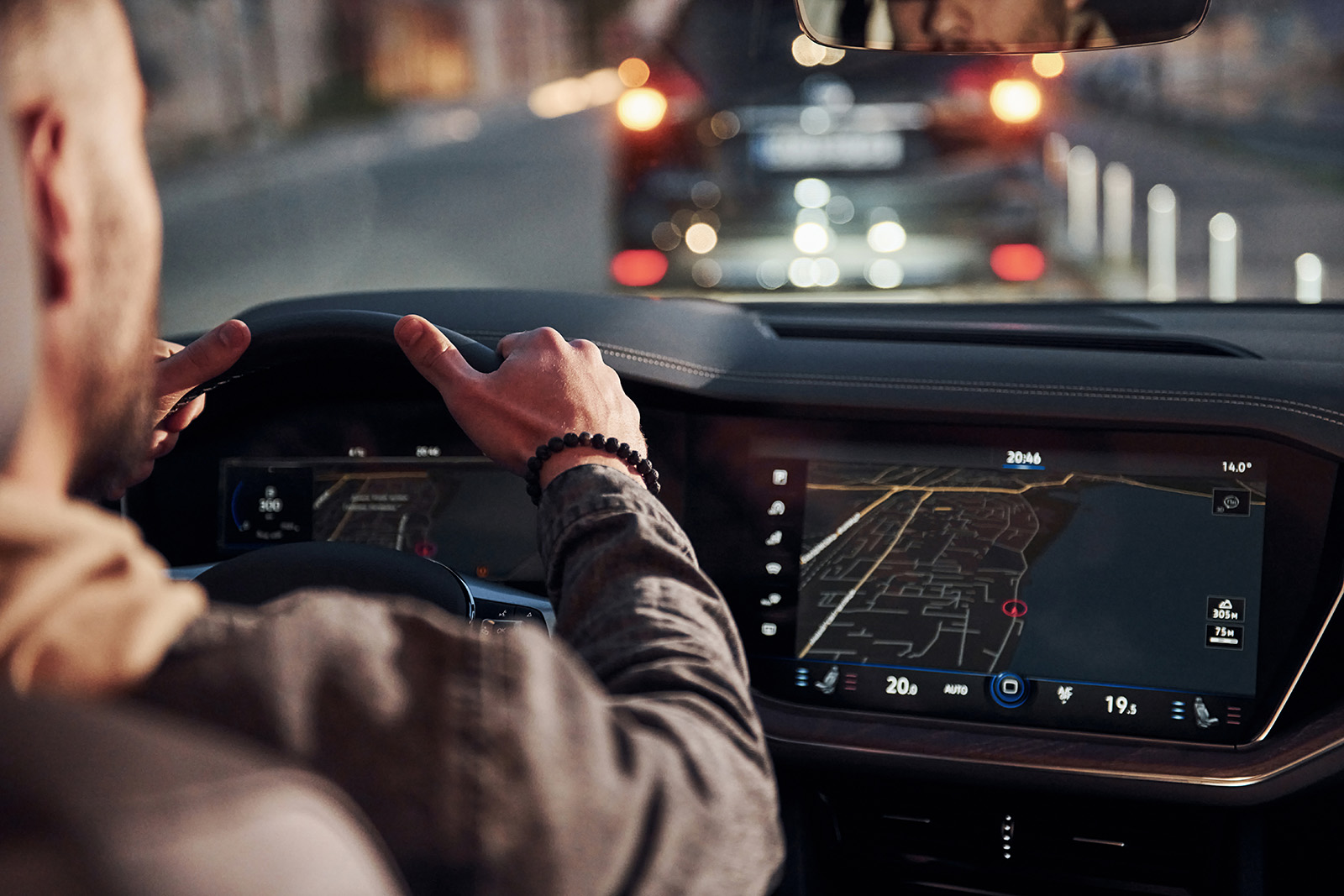 Telematics: More Than Just Vehicle Tracking
When many fleet leaders hear the word telematics, they think of GPS tracking.
Location visibility is certainly one part of the equation, but modern telematics platforms offer much deeper operational intelligence.
Core capabilities typically include:
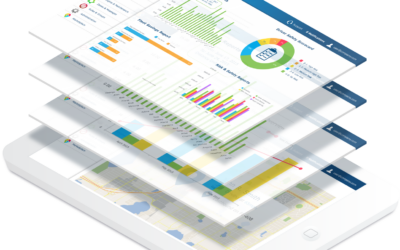
- Real-time vehicle tracking through live map visibility
- Trip history and route analysis to review where vehicles have been and when
- Maintenance tracking and service alerts to help prevent unexpected downtime
- Driver safety monitoring that highlights risky behavior and improvement opportunities
Together, these tools create a continuous stream of operational insight.
Instead of guessing where inefficiencies exist, fleet managers can see them directly.
Telematics becomes less about watching vehicles and more about understanding how the fleet operates as a system.
How Different Fleets Use Telematics
Not every fleet uses telematics the same way.
For many smaller fleets, the primary value is simple visibility. Managers want to know where vehicles are, ensure drivers are operating within expectations, and keep maintenance schedules on track.
As fleets grow, the role of telematics expands significantly.
Larger organizations often rely heavily on reporting features that allow them to analyze driver behavior, compare performance across teams, and identify operational trends that impact safety or cost.
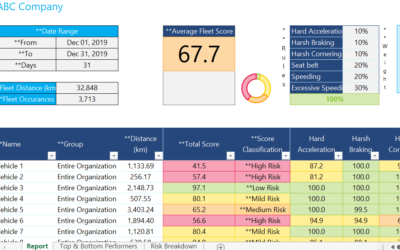
Driver safety scorecards, for example, allow fleet leaders to identify patterns such as frequent speeding events or harsh driving behavior and address them through coaching and policy improvements.
The system becomes less about monitoring individuals and more about creating consistent operational standards across the fleet.
Telematics as a Safety Tool
One of the most immediate benefits many fleets see after implementing telematics is improved driver safety.
By monitoring events like speeding, harsh braking, or rapid acceleration, companies can create objective safety benchmarks and coaching opportunities.
Summit Fleet’s telematics specialist Hailey Stefaniuk recently shared an example of how this plays out in real-world fleet environments.
One client initially discovered that drivers were reaching extremely high speeds — in some cases exceeding 200 km/h. After implementing telematics rules and alerts, including in-vehicle notifications, driver behavior changed dramatically.
When drivers receive immediate feedback and organizations gain visibility into trends, safety improves quickly.
More importantly, safety becomes measurable rather than anecdotal.
The Operational Advantage: Utilization Insight
Telematics also provides one of the most valuable insights for growing fleets: utilization.
When fleet leaders can see exactly how vehicles are being used, they gain clarity on important operational questions:
- Are vehicles being used efficiently?
- Do certain regions need additional trucks?
- Are specific assets underutilized?
- Is the right equipment deployed in the right places?
These insights often inform fleet expansion decisions. If every truck in a region is operating at full utilization, it becomes much easier to justify acquiring additional vehicles.
In this way, telematics doesn’t just track the fleet — it helps guide how the fleet should grow.
A Quick Q&A With Summit Fleet’s Telematics Specialist
To better understand how telematics supports fleet operations, we spoke with Hailey Stefaniuk, a telematics specialist at Summit Fleet who works directly with clients implementing these systems.
Below are a few highlights from that conversation.
Q: For someone new to telematics, what are the core functions fleets use most?
Hailey:
“The main uses our customers focus on are GPS tracking, maintenance tracking, and safety tracking. The system provides live map tracking so you can see exactly where vehicles are at any given time, and it also records full trip history for each vehicle.”
Q: How do telematics needs differ between smaller and larger fleets?
Hailey:
“Smaller fleets often use telematics for basic tracking — making sure drivers are where they should be and staying on top of maintenance schedules. Larger fleets tend to rely much more on reporting, especially driver safety scorecards that allow them to compare driver behavior across teams or projects.”
Q: What’s one example where telematics made a noticeable impact?
Hailey:
“One client discovered through telematics that drivers were reaching speeds of over 200 km/h. After implementing the system and setting rules that alert drivers in real time, those speeding events dropped significantly. It gave the company visibility into the issue and the tools to address it.”
Q: How does telematics help fleets scale?
Hailey:
“Telematics helps identify vehicle utilization. If every truck in a certain region is running at full utilization, that’s a clear signal that the fleet may need additional vehicles there. It also helps determine whether you’re using the right types of trucks based on maintenance history and operational patterns.”
Telematics Is Becoming the Operational Backbone
As fleets continue their digital evolution, telematics is quickly becoming the operational backbone that connects vehicles, drivers, and management decisions.
The technology provides visibility.
The real advantage comes from how organizations act on that visibility.
Fleet leaders who embrace telematics as part of a broader digital strategy gain something every operation needs: clarity.
And clarity leads to better decisions.
Bottom Line
Data alone doesn’t improve fleet performance.
Insight applied to real operations does.
Telematics gives fleet leaders the ability to see how their fleet truly operates — and the information needed to improve it.
That’s where digital momentum becomes an operational advantage.