Digital Momentum: What Fleet Leaders Should Tackle First in 2026
Why data and connectivity are now baseline requirements for profitable fleets.
Last month we talked about why digital transformation isn’t optional anymore — the reality is clear:
fleets that remain stuck in manual workflows, fragmented data, and reactive operations are losing margin every day.
If the digital shift was strategic then — this month it’s tactical.
In 2026, the fleets that win aren’t just collecting data — they’re using it to drive operational behavior,
tighten cost control, and build resilience into every system they touch.
Where the Digital Advantage Actually Shows Up
Let’s break down the practical realities fleet leaders should be prioritizing this year:
1. Real-Time Telematics = Real Decisions
Telematics has evolved far beyond simple GPS tracking. Modern systems integrate:
- Vehicle diagnostics
- Driver behavior analytics
- Route performance
- Utilization and idle time measurement
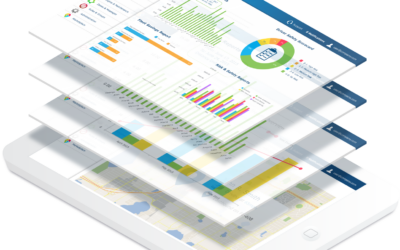
This isn’t just visibility — it’s a continuous decision engine that tells you where waste hides and which actions will move the needle.
2. Predictive Maintenance Prevents Disruption
Reactive maintenance kills uptime and destroys margins. With data from telematics:
- Fault codes trigger alerts before failures
- Mileage and usage inform service windows
- Trends reveal which assets are costing you most
Fleet health becomes a proactive function — not a weekly scramble.
3. Safety Becomes Measurable, Not Anecdotal
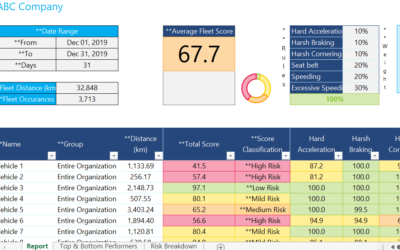
The safest fleets don’t hope drivers behave well — they know. Telematics data combined with driver scoring gives:
- Objective safety trends
- Personalized coaching insights
- Actionable improvement plans
Guesswork fades; measurable improvement begins.
4. Connectivity Breaks Down Data Silos
Too many fleets still run multiple disconnected systems — maintenance logs here, fuel records there, compliance in a spreadsheet somewhere else.
Integrated platforms unify:
- Diagnostics
- Dispatch and routing
- Driver logs
- Utilization metrics
The result? A single source of truth for better forecasting and budgeting.
Make Smarter Decisions, Not Just Faster Ones
Data isn’t valuable because you have it — it’s valuable because it leads to decisions that improve performance and reduce waste:
- Which routes cost more fuel and time?
- Which drivers consistently impact uptime?
- Where are preventive repairs overdue?
Fleets that answer these questions with data — not intuition — gain predictability in a volatile cost environment.
Start with These Tactical Moves in January
Here’s what truly strategic fleets are doing now:
- Audit your data flows — what’s tracked, what’s siloed?
- Benchmark key KPIs — cost per mile, idle time, unplanned downtime
- Deploy telematics across the fleet — not as an add-on, but a core operational tool
Turn insights into action plans — set quarterly improvement targets.
Some fleets chase the latest tech bandwagon — the smart ones embed data into everyday operations.
Bottom Line
Digital transformation isn’t over — it’s operationalized.
The fleets that succeed in 2026 won’t just talk about data — they’ll run their business by it.
And that’s the difference between managing a fleet and leading one.